Fish Stress in Aquaculture: The Hidden Cause of Most Production Problems
Stress in fish is not merely an animal welfare concern — it is a direct production management issue with measurable consequences for growth rate, feed conversion, disease resistance, and mortality. The physiological stress response in fish, mediated by cortisol release from the interrenal cells, diverts metabolic resources away from growth and immune function toward the immediate survival responses that stress requires. A fish under chronic stress is a fish using energy to cope with its environment rather than to grow, and a fish with a suppressed immune response that will succumb to bacterial or parasitic infection that a healthy, well-managed fish would resist without clinical disease.
Stressors in Aquaculture Operations
Dissolved oxygen below 6 ppm is one of the most potent chronic stressors in pond culture because it is often present at sublethal levels for extended periods without producing visible behavioral signs until the situation becomes acute. Fish in chronically low-oxygen conditions are working harder physiologically to extract adequate oxygen from the water — this sustained effort is itself a stressor that suppresses growth and immunity even when DO levels are not low enough to produce visible symptoms. Maintaining consistently adequate DO is stress prevention as much as emergency management.
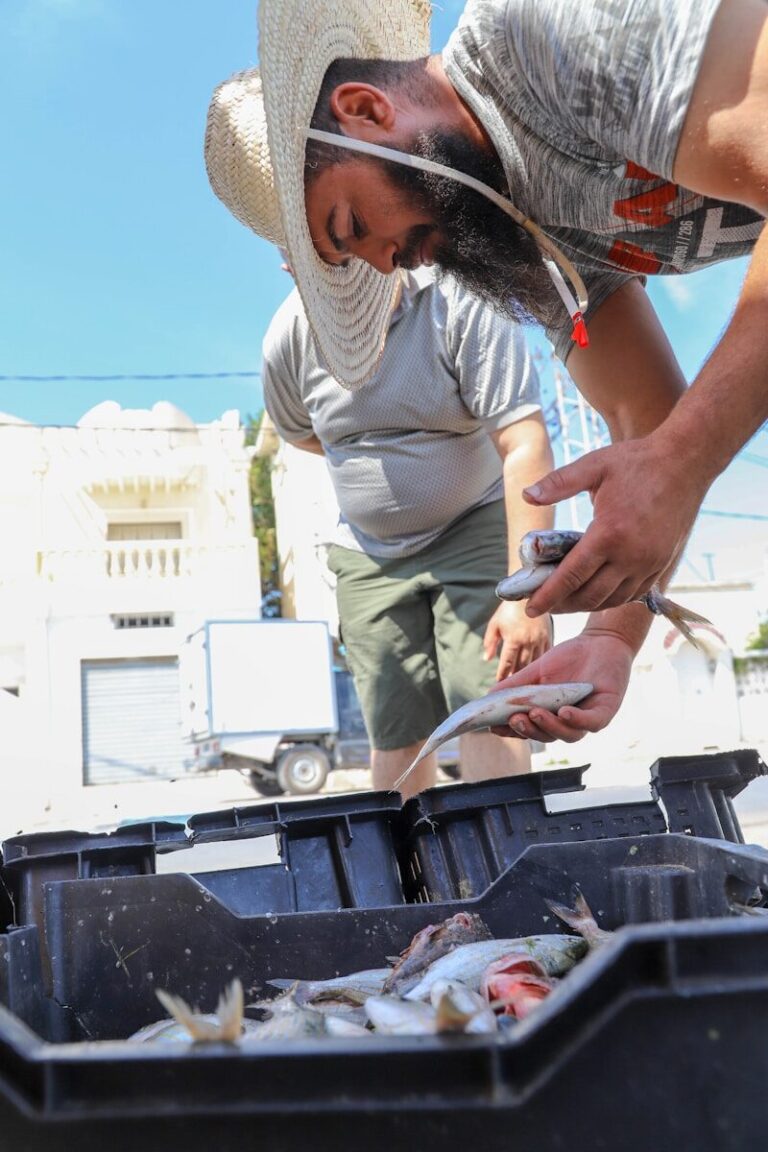
Handling and transport stress from seining, grading, loading, and moving fish produces an acute cortisol spike that can be detected in blood plasma within minutes and remains elevated for hours. Minimize unnecessary handling, work fish during cooler parts of the day when dissolved oxygen is highest, and use anesthetics (MS-222, clove oil) for handling operations that require extended contact with individual fish. Provide recovery time of forty-eight to seventy-two hours after significant handling events before resuming full feeding.
Social stress in overcrowded systems produces hierarchy-related aggression that elevates cortisol in subordinate individuals and reduces the aggregate growth efficiency of the population. Maintain stocking densities within the recommended range for your species and system. The incremental revenue from adding more fish to an overcrowded system is consistently outweighed by the reduced growth rate, increased disease susceptibility, and eventual mortality that overcrowding stress produces.
Recognizing Chronic Stress
The indicators of chronic stress in a fish population are subtle until they manifest as disease or poor production metrics. Suboptimal FCR — feed conversion that is consistently worse than expected for the species and conditions — is often the first measurable indicator that something is stressing the population. Reduced growth rate relative to expected gain is another. Increased sensitivity to handling — fish that become more reactive and hyperactive during routine sampling events — reflects elevated baseline cortisol. Any trend in these production metrics that cannot be explained by identifiable management changes warrants a systematic search for chronic stressor sources.