Aquaculture vs. Aquaponics: Understanding the Real Differences Before You Choose
Aquaponics has received extraordinary media attention over the past decade — it appears in sustainability articles, food technology publications, and urban farming promotions with a frequency that suggests it has largely replaced conventional fish farming as the modern approach. The reality is more complicated. Aquaponics is a genuine and sometimes appropriate system for specific situations. It is also the subject of considerable hype that leads beginning farmers toward a production method that is more technically demanding, more capital intensive, and more operationally fragile than the conventional aquaculture it is frequently compared favorably to.
What Aquaculture Is
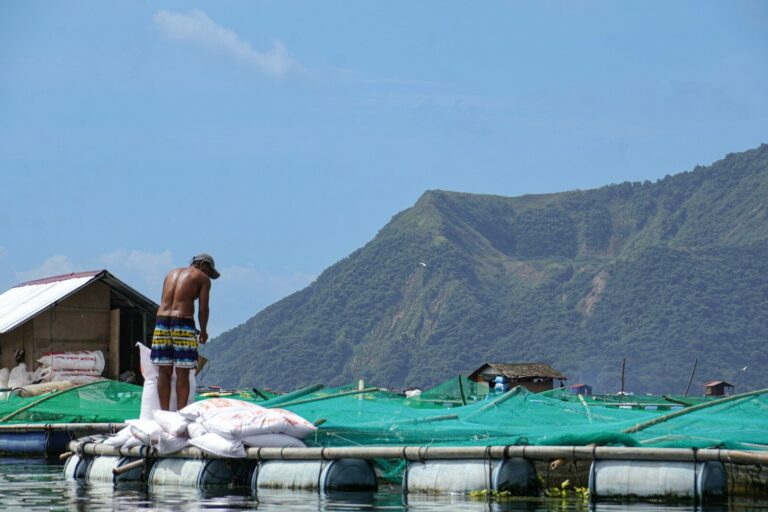
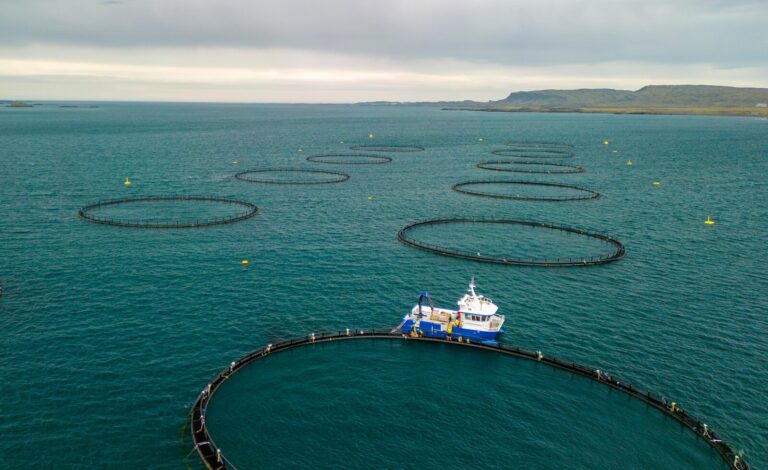
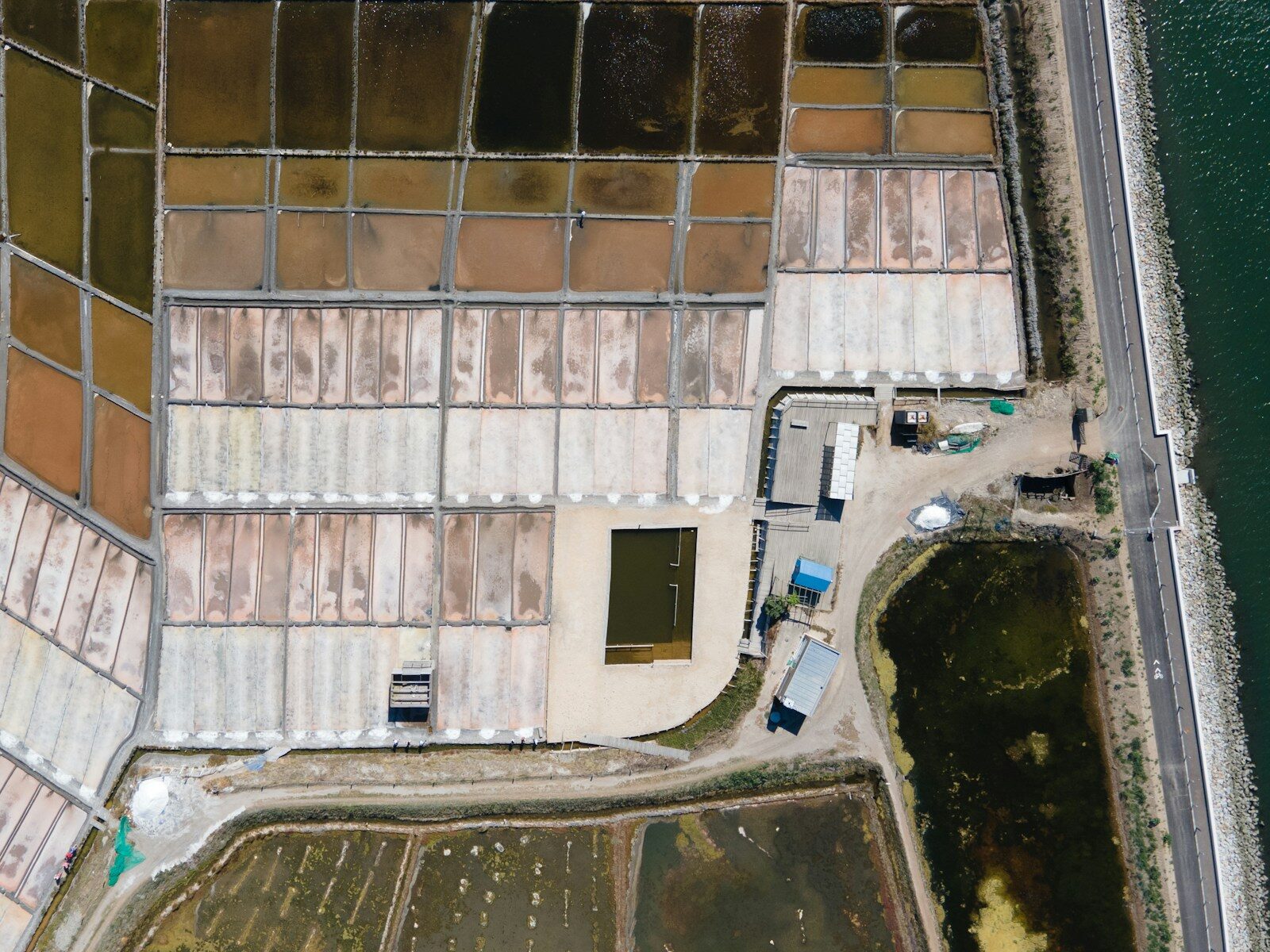
Aquaculture is the controlled cultivation of aquatic organisms — fish, shellfish, crustaceans, aquatic plants — in managed water environments. This includes pond culture, cage culture in open water bodies, flow-through systems using stream or well water, and recirculating aquaculture systems (RAS) that clean and recirculate water through biological and mechanical filtration. It is the oldest and most widely practiced form of fish farming globally, and its established production methods are the basis for the vast majority of farmed fish consumed in the United States.
What Aquaponics Is
Aquaponics integrates fish production with hydroponic plant production in a single recirculating system. Fish produce ammonia through their waste, which beneficial bacteria convert to nitrate through the standard nitrogen cycle. Plants grown in the system absorb that nitrate, cleaning the water for the fish. In theory, the two systems support each other — the fish waste fertilizes the plants and the plants clean the water. In practice, the operational requirements of fish and plants are frequently in tension: optimal water temperature for fish growth is often different from optimal temperature for plant growth, fish stocking density that produces adequate plant fertilization often approaches levels that stress fish, and the system’s biological complexity means that a failure in any component cascades through the others.
The Economic Reality of Aquaponics
Aquaponics systems produce two revenue streams — fish and vegetables — which are frequently cited as the economic justification for the higher capital cost of the integrated system. This framing obscures several important economic realities. The management complexity of simultaneously optimizing two production systems requires more skilled labor than either system alone. Equipment cost for a functional aquaponics system of commercial scale is significantly higher than equivalent-volume conventional aquaculture. System failures in aquaponics — a pump failure, a disease outbreak in either the fish or plant component — can affect both revenue streams simultaneously. The farms and enterprises that operate profitably at aquaponics scale are operated by people with significant prior experience in both fish production and hydroponic horticulture. Beginners who start with aquaponics as their introduction to both disciplines simultaneously face a steep learning curve under high operational pressure.
When Each Makes Sense
Conventional pond aquaculture or RAS makes sense for operators whose primary goal is fish production, who have adequate land or infrastructure for a pond or indoor system, and who are producing catfish, tilapia, bass, or other established aquaculture species at a scale compatible with accessible markets. Aquaponics makes sense for operators in high-value local food markets who can sell both premium fresh fish and premium hydroponic vegetables at prices that support the system’s economics, who have or can develop the dual expertise to manage both production components, and who have the capital to build and maintain the more complex infrastructure. In both cases, honesty about your operational capacity and market access matters more than enthusiasm for the system’s theoretical appeal.