Marketing Locally Farmed Fish: How to Build the Customer Base That Makes Your Operation Work
The fish farming business has two distinct halves, and they require completely different skills. The production half — understanding fish biology, managing water quality, preventing disease, optimizing feed efficiency — is technical and learnable through study, extension resources, and experience. The marketing half — finding buyers, building relationships, pricing correctly, differentiating your product from imported commodity fish — is relational and commercial and receives almost no attention in the technical resources that serve beginning aquaculture producers. Most small farm failures in aquaculture are not production failures. They are marketing failures: farmers who can grow excellent fish but cannot sell them at prices that support the operation’s economics.
Your Primary Competitive Advantage
A local fish farmer competing on price with imported tilapia from China or catfish from large Delta operations will lose. The price differential between commodity imported fish and small-scale local production is too large to overcome with production efficiency at small scale. The competitive advantage of local fish farming is not price — it is provenance, freshness, relationship, and the values-based purchasing of consumers who will pay a premium for food they can trace to a producer they know. Position yourself in this market, not in the commodity market. Your fish should be marketed as local, farm-raised, fresh (not frozen), traceable, and relationship-based. These characteristics command the price premium that makes small-scale production economically viable.
Direct Marketing Channels
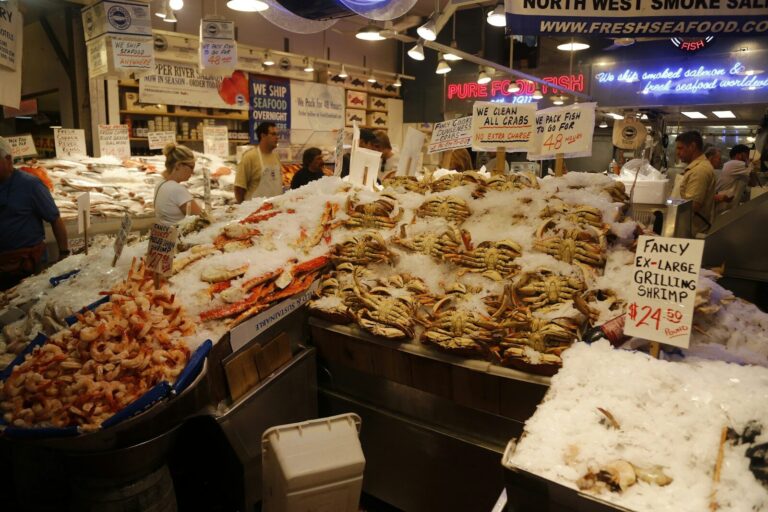
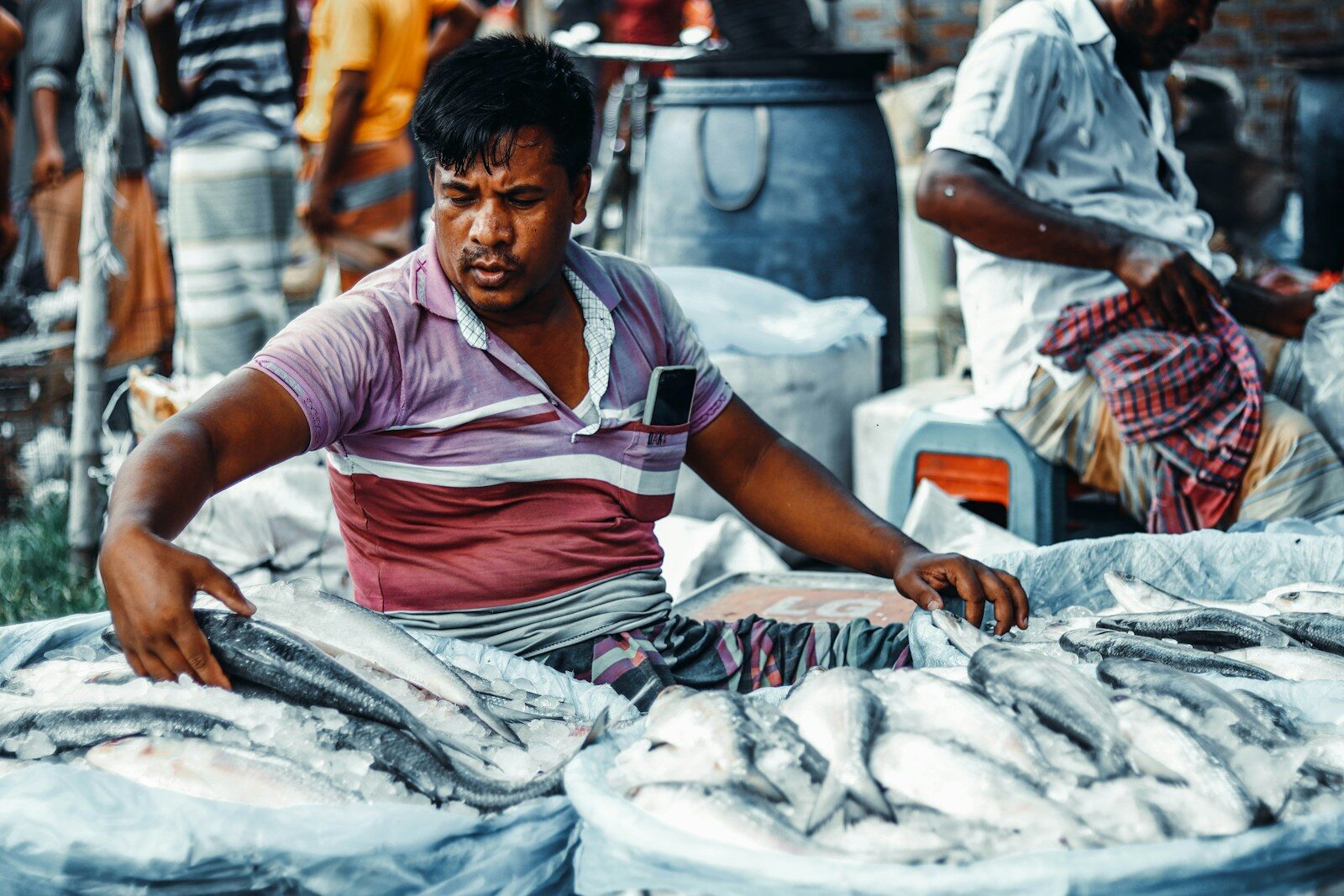
Farmers markets are the highest-profile direct marketing channel for local food producers and are well-suited for fish sales if you can manage the logistics of fresh fish transport and display. A cooler with ice, clean display containers, and clear signage about your farm and production methods is sufficient equipment for market day. The social element of farmers markets — talking with customers about your farm, your fish, your practices — is itself marketing that builds the repeat customer relationships that sustain a market stall from week to week. Expect the first several market days to be slow as you build recognition; the customer base that develops over a full season is the asset that makes subsequent seasons viable.
Restaurant relationships, particularly with farm-to-table restaurants that actively market their local sourcing, provide consistent volume buyers who pay premium prices for premium product. Establishing a restaurant relationship requires introducing yourself and your product in person, providing product for the chef to evaluate at no charge for the first delivery, and demonstrating reliability — chefs who commit to featuring your fish on their menu need to know you will be able to supply it. Seasonal variability in your production should be communicated clearly and in advance; a chef who runs out of your promised product during service will not order again.
Pricing Strategy
Calculate your fully loaded cost per pound — fingerling cost, feed, energy, water, equipment depreciation, your labor — and add a margin that makes the enterprise viable. Most small aquaculture producers who complete this calculation find that they need $5 to $10 per pound at the farm gate to break even, which means retail pricing at farmers markets of $8 to $15 per pound for whole fish and more for fillets. Research what locally farmed fish sells for at farmers markets and specialty grocers in your area before setting your price. If your cost structure does not work at the prevailing local premium price, examine your production efficiency before reducing your margin.