Largemouth Bass Production: Farming the Most Popular Sportfish in America
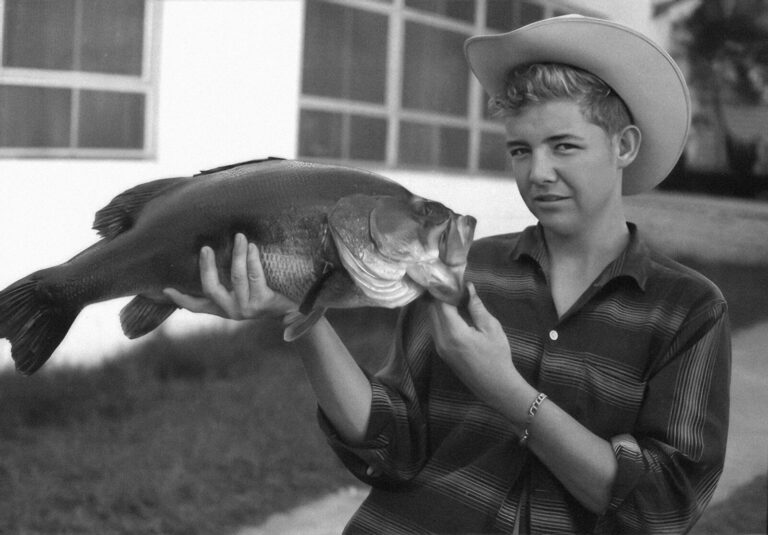
Largemouth bass farming occupies a distinct niche in American aquaculture — it is not primarily a food fish enterprise but a sportfish supply operation, producing fingerlings and juvenile bass for stocking in private ponds, public reservoirs, and fee-fishing lakes. The market is stable, well-established, and dominated by regional producers who supply within driving distance of their production operation. For landowners with ponds in bass stocking regions and the production knowledge to raise fingerlings through their first critical weeks, bass fingerling production can be a viable small-scale enterprise.
The Bass Fingerling Market
The primary buyers of cultured largemouth bass are private pond owners who want to establish or supplement bass populations, state fish and wildlife agencies that stock public waters, and fishing club and resort operations that maintain pay-to-fish enterprises. Fingerling prices range from $0.25 to $0.75 per fish depending on size, region, and market relationship, with premium prices for larger fingerlings (3 to 5 inches) that have better survival after stocking. A producer with multiple ponds and efficient fingerling production can generate meaningful income from bass fingerling sales with lower infrastructure investment than food fish production requires.
Production Challenges
Largemouth bass present specific production challenges that distinguish them from channel catfish and tilapia. Bass are obligate carnivores — they will not accept commercial pelleted feed without specialized training, requiring either live forage (golden shiner minnows, small bluegill) or highly specialized training protocols to transition to artificial feed. Fingerling production depends on natural spawning that must be managed in broodfish ponds, and survival through the first critical weeks of fingerling development is highly variable and dependent on forage availability and water quality management. These challenges make bass production more technically demanding than warm-water food fish production and more suitable for experienced fish culturists than beginners.