Rainbow Trout Farming: Cold Water Culture From Fingerling to Market
Rainbow trout occupies the premium end of the American farmed fish market — a species with strong consumer recognition, a reputation for quality, and a price point significantly above the warm-water species that dominate volume production. The Idaho trout industry, centered on the remarkable spring-fed waters of the Snake River Canyon, supplies the majority of farmed rainbow trout consumed in the United States. For small-scale producers with access to cold, well-oxygenated water, trout farming represents a viable premium production opportunity with established markets and well-characterized production methods.
Water Temperature: The Defining Requirement
Rainbow trout require cold water — optimally 55 to 65°F for maximum growth, with acceptable growth down to 45°F and significant stress above 70°F. Above 75°F, mortality becomes likely. This temperature requirement is both the limiting factor that restricts trout farming to specific geographic regions and the characteristic that protects small producers from competition with tropical-species aquaculture that operates in regions with warmer water. If your water source maintains temperatures in the 50 to 65°F range year-round, you have a resource suited for trout production. If it climbs above 70°F in summer, trout production becomes difficult to impossible without refrigeration or supplemental cold water.
Dissolved Oxygen: Equally Critical
Trout require dissolved oxygen levels consistently above 7 ppm and ideally above 9 ppm. They are significantly more sensitive to oxygen depletion than warm-water species. Flow-through systems using spring, stream, or well water that maintain natural dissolved oxygen levels are well-suited for trout and historically have been the basis of commercial trout production. Raceways — long rectangular concrete channels through which fresh water flows continuously — are the standard production unit for flow-through trout culture. Recirculating systems for trout require high-efficiency aeration and degassing to maintain adequate oxygen levels at the stocking densities needed for economic production.
Production Timeline and Market Weight
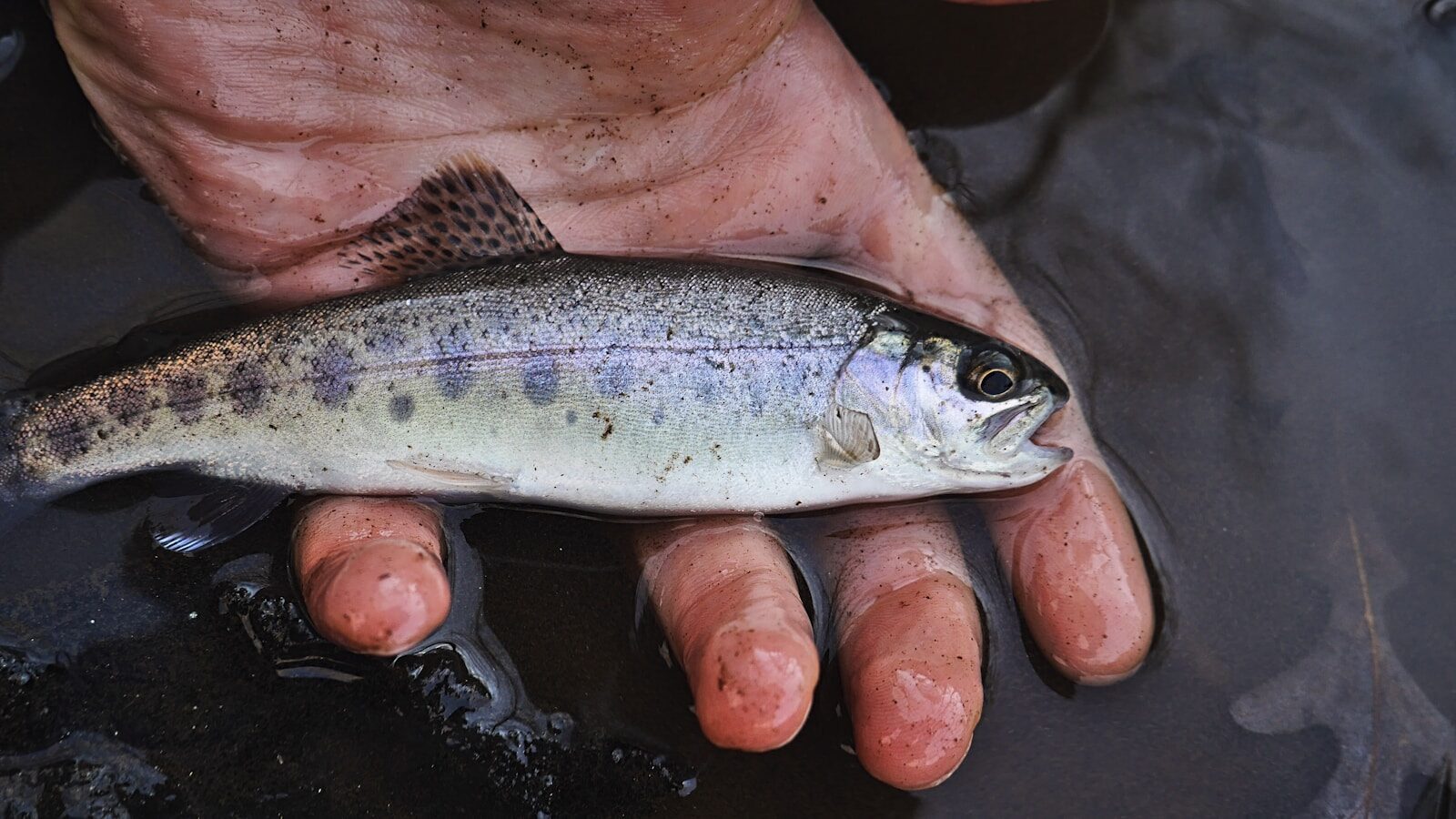
Trout grow from fingerlings (4 to 6 inches) to market weight (10 to 14 ounces for whole fish, or 1 to 2 pounds for larger portion-size fish) in twelve to eighteen months at optimal temperature and feeding conditions. The production cycle is longer than tilapia but shorter than salmon, and the premium market pricing for fresh, locally-raised rainbow trout typically supports the economics of the longer grow-out period. Direct-to-consumer sales through farmers markets, restaurant relationships, and on-farm stores provide price points of $8 to $15 per pound for premium fresh product.